One Book At A Time – 2025

2025 has been a year of AI explosion, and honestly, it is a lot to keep up with. Every week brings a wave of new research papers, industry newsletters, blog posts, benchmark reports, and endless social media feeds.

With so much noise, finding time for long-form reading, both AI and non-AI books, has become a challenge. To stay ahead, I’ve developed a new routine: every Saturday, I upload my “must-read” papers and newsletters to Google NotebookLM. I generate an Audio Overview and consume it as a podcast during my Sunday morning jog. It’s the perfect way to complete my “reading” while staying active!

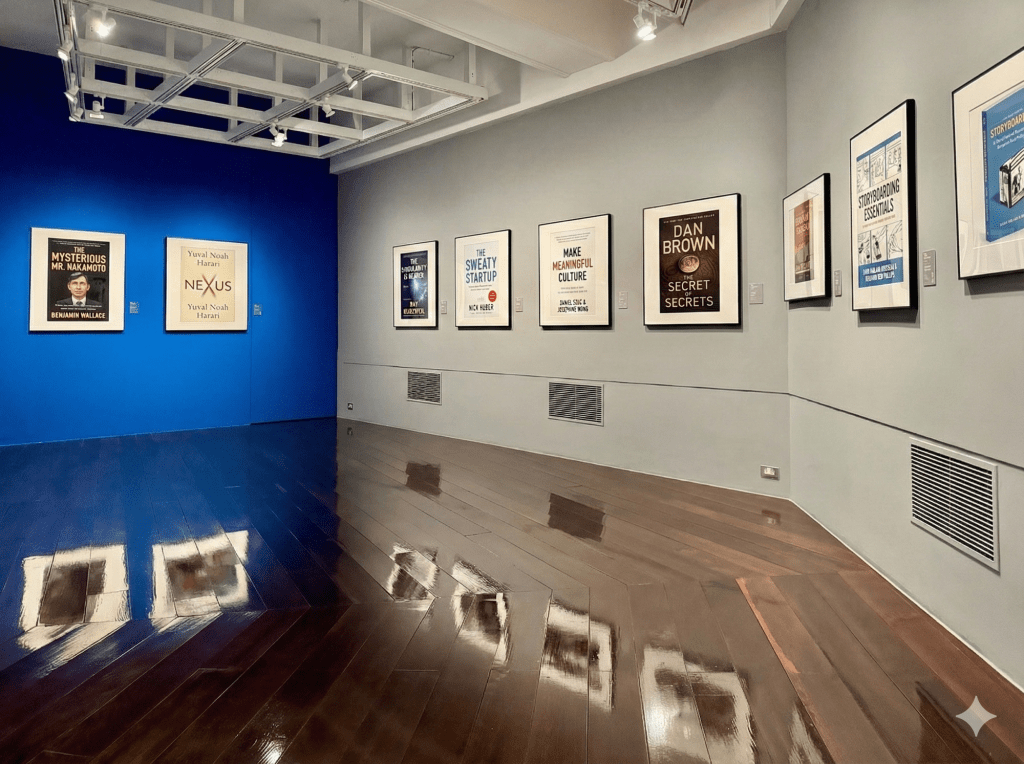
Despite the busy year, I managed to finish 7 books. While many are talking about Nexus by Yuval Noah Harari as the standout, my personal favorite was The Mysterious Mr. Nakamoto by Benjamin Wallace – a fascinating 15-year quest to unmask the genius behind crypto.

Here is my full 2025 reading list:

  • The Mysterious Mr. Nakamoto by Benjamin Wallace – It is now clear to me who Mr. Nakamoto is…
  • Nexus by Yuval Noah Harari – A compelling read that serves as excellent evidence that long-form reading remains vital.
  • The Singularity Is Nearer by Ray Kurzweil – For those working in the IT / AI industry, this is a must-read.
  • The Sweaty Startup by Nick Huber – This serves as a great companion to the book The E-Myth, which I first read nearly 30 years ago.
  • Make Meaningful Culture by Daniel Szuc & Josephine Wong – In the era of AI, fostering a meaningful team culture has become more vital than ever.
  • The Secret of Secrets by Dan Brown – I have read all of Dan Brown’s books, and this one is quite good as well.
  • Storyboarding Essentials by David Harland Rousseau & Benjamin Reid Phillips – I chose to read this not for filmmaking, but to improve my skills in crafting more effective video prompts.

How are you tackling your reading list this year? Any AI tools helping you stay productive? 

#AI #ReadingList #NotebookLM #Books2025
How To Find Your Next Book To Read?

Christmas is around the corner and it’s about time to create my 2026 reading list.

I used to rely on the “Customers who bought this also bought that” feature. While efficient, it has a significant downside: homogenization.

Algorithms tend to feed us more of what we already know. If we all rely on the same suggestion engine, we end up reading the same books and thinking the same thoughts.

That’s not discovery; that’s reinforcement.

To find truly fresh ideas, I go offline. Before I download anything to my Kindle, I tour physical bookstores – specifically the Translated Books section.

The Logic:

If a local publisher is willing to acquire rights, pay for translation, and print physical copies, that book has passed a rigorous vetting process. It implies the content is valuable enough to justify significant financial risk outside its home market.

I browse the shelves to find these gems, then head home and buy the original English versions for my eReader.

It’s a powerful strategy that hasn’t failed me yet. How do you prepare your reading list?

ReadingList #BookLovers #Kindle #ContinuousLearning

AI vs Human Creation

We often describe AI as cold or synthetic. But that’s a misconception.

AI isn’t “creating” in a vacuum; it is remixing everything we have ever written, drawn, or coded. Its training data is, in fact, a mirror of us.

Because of this, I believe authentic human creation is more valuable now than ever before.

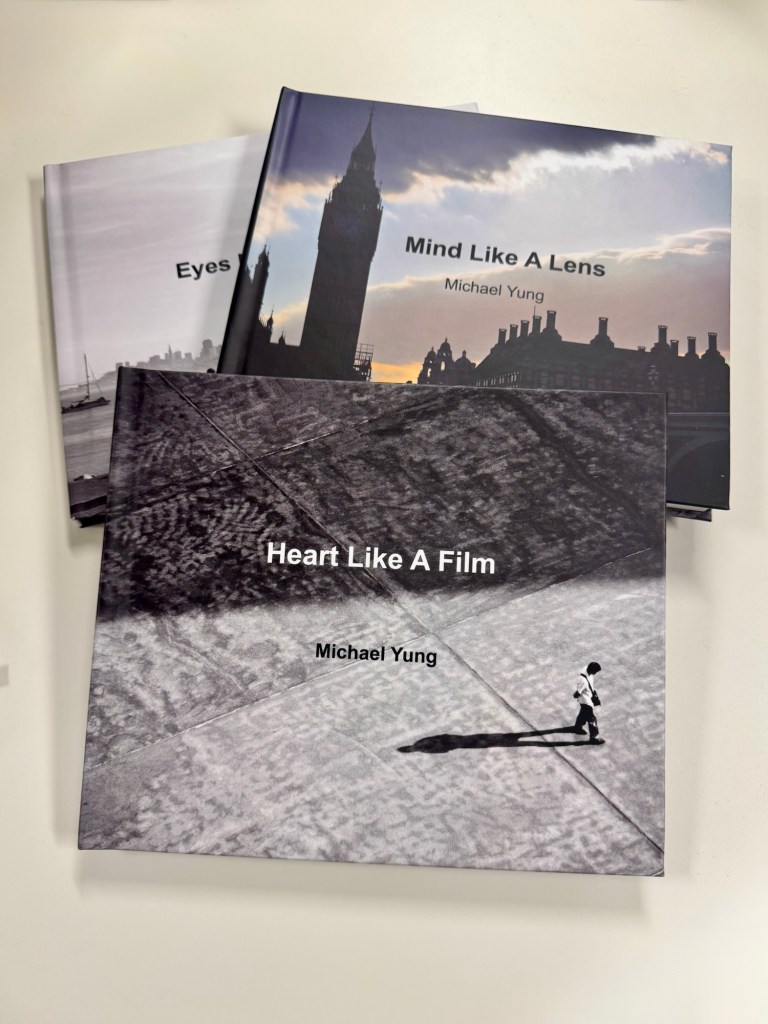
To celebrate that human touch, I am proud to share my sixth photo book. I’ve been embracing on-demand printing since 2008 to bring my digital work to life, but this volume feels special. It marks the finale of my three-part photo story:

👁️ Eyes like a shutter
🧠 Mind like a lens
❤️ Heart like a film

To me, there is something irreplaceable about the smell of ink and the weight of paper. While I use digital tools every day, seeing these three books side-by-side reminds me that some stories just need to be held in your hands.

I’d love to hear what you are working on. What is your latest creation?

HumanCreativity #AI #GenerativeAI #Creativity #Storytelling

The “Two-Minute Rule” just got a massive upgrade

I’ve been a loyal fan of David Allen’s Getting Things Done (GTD) for years. In fact, I make it a ritual to re-read the book every few years to reset my productivity baseline.

The most sticky habit I picked up? The Two-Minute Rule. The concept is simple: If a task takes less than two minutes to complete, do it immediately. Don’t file it. Don’t schedule it. Just do it.

It’s the secret behind my responsiveness. I clear the small stuff instantly to keep my mental deck clear.

But GenAI has redefined what is possible in “Two Minutes.” We’ve moved from simple maintenance to strategic output:

  • Then: Sending a quick “Yes/No” reply or forwarding a file.
  • Now: Drafting a comprehensive email, summarizing a 20-page report, or brainstorming strategic angles for a deck.

The rule remains, but the ROI has skyrocketed. We aren’t just clearing administrative clutter anymore; we are clearing strategic hurdles in the time it takes to brew a coffee.

How are you using AI to expand your two-minute window?

#Productivity #GTD #GenerativeAI #FutureOfWork #Efficiency

16 Years of e-Reading

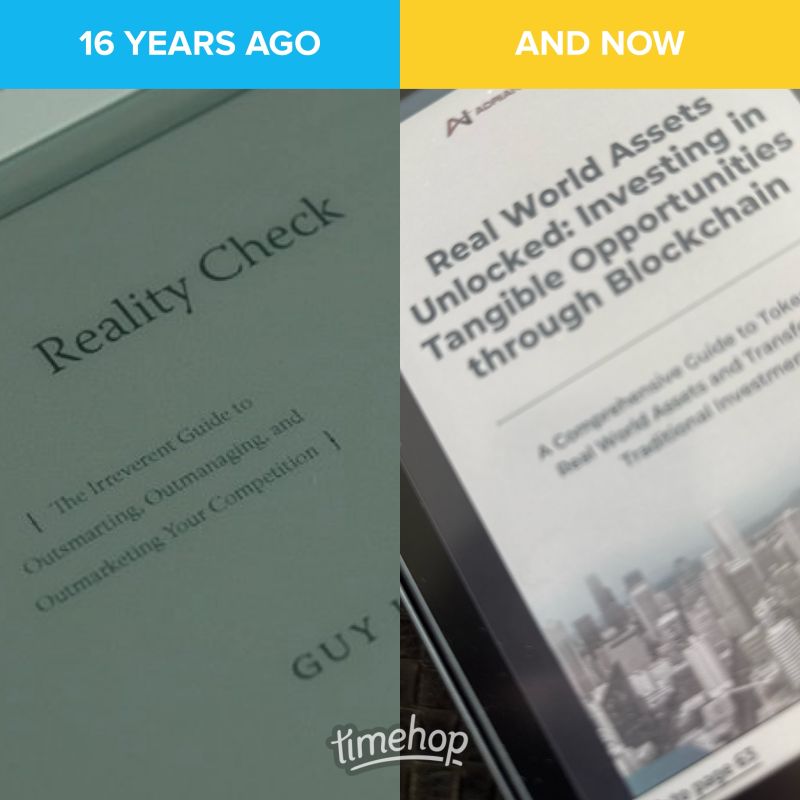
Sixteen years, six Kindles, and countless books and stories later, my love for e-reading remains unwavering. From the original black and white to the latest color display, each iteration has been a portal to a different world.

In a world saturated with digital distractions, it’s important to have dedicated e-reader instead of an all-purpose tablet. No notifications, no emails, no social media scrolling but just the pure joy of reading. The convenience of a portable library, coupled with the focused experience, is irreplaceable.

It’s remarkable how much more I absorb when I’m not constantly pulled in different directions. If you’re seeking to reclaim your focus and rediscover the pleasure of uninterrupted reading, consider the simple magic of an e-reader. It’s a small investment for a significant return in peace of mind.