š—™š—æš—¼š—ŗ š——š—¶š—®š—¹-š˜‚š—½ š˜š—¼ š˜š—µš—² š——š—¶š—“š—¶š˜š—®š—¹ š—”š—“š—²: š—” šŸÆšŸ¬-š—¬š—²š—®š—æ š—§š—²š—°š—µ š—¢š—±š˜†š˜€š˜€š—²š˜†

I started my dial-up journey with a 300 baud modem and a Commodore 64 computer. I mainly used for exploring the nascent online world and teaching myself the fundamentals of programming. Then fast forward for 10 years or so …

The screech of a 19.2k baud modem connecting to CompuServe still echoes in my memory. BBSes were my social network, and forums were where I found my online community.

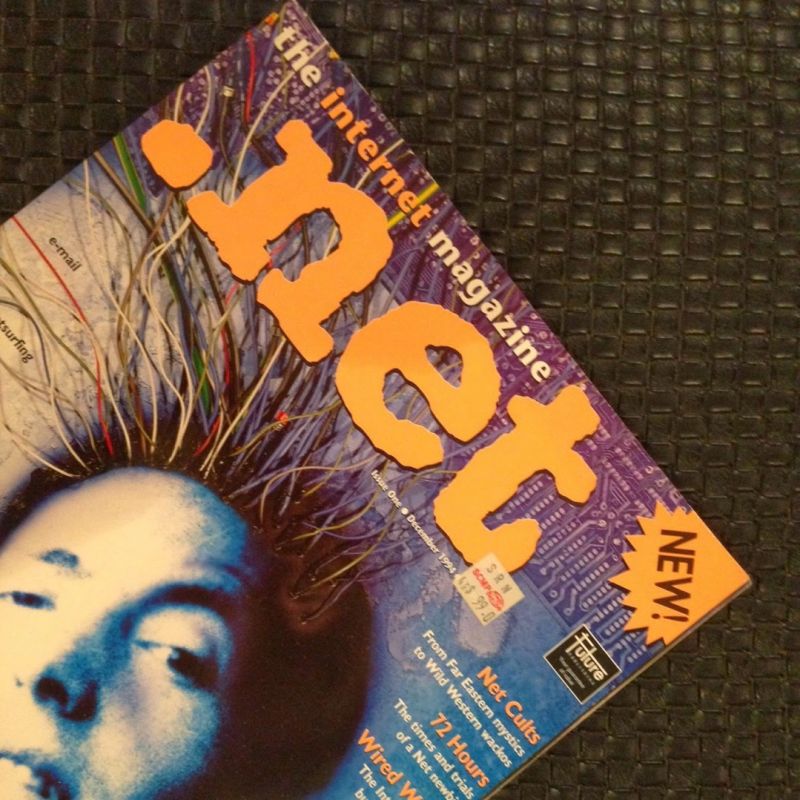
Then, in December 1994, a magazine called “.Net” opened my eyes to the world of the Internet and the World Wide Web. It was like discovering a new universe. I was hooked. Armed with Notepad (the only IDE available!), I built my first website in 1995.

The years that followed were a whirlwind of innovation:

š—˜-š—°š—¼š—ŗš—ŗš—²š—æš—°š—²: We went from dial-up shopping to the seamless convenience of online marketplaces.

š—¦š—¼š—°š—¶š—®š—¹ š— š—²š—±š—¶š—®: Platforms like Facebook and Twitter/X connected us globally, fostering communities and sparking conversations.

š— š—¼š—Æš—¶š—¹š—² š—„š—²š˜ƒš—¼š—¹š˜‚š˜š—¶š—¼š—»: Smartphones became our constant companions, transforming how we communicate, work, and entertain ourselves.

Today, I’m amazed by how far technology has come. The once-distant world of the Internet is now deeply woven into our daily lives. What wonders will the next 30 years bring?

#technology #innovation #digitaltransformation #internet #worldwideweb

š—§š—µš—² š—Øš—»š˜š—¼š—¹š—± š—¦š˜š—¼š—æš˜† š—¼š—³ š—•š˜‚š—¶š—¹š—±š—¶š—»š—“ š—® š——š—¶š—“š—¶š˜š—®š—¹ š—£š—暝—¼š—±š˜‚š—°š˜

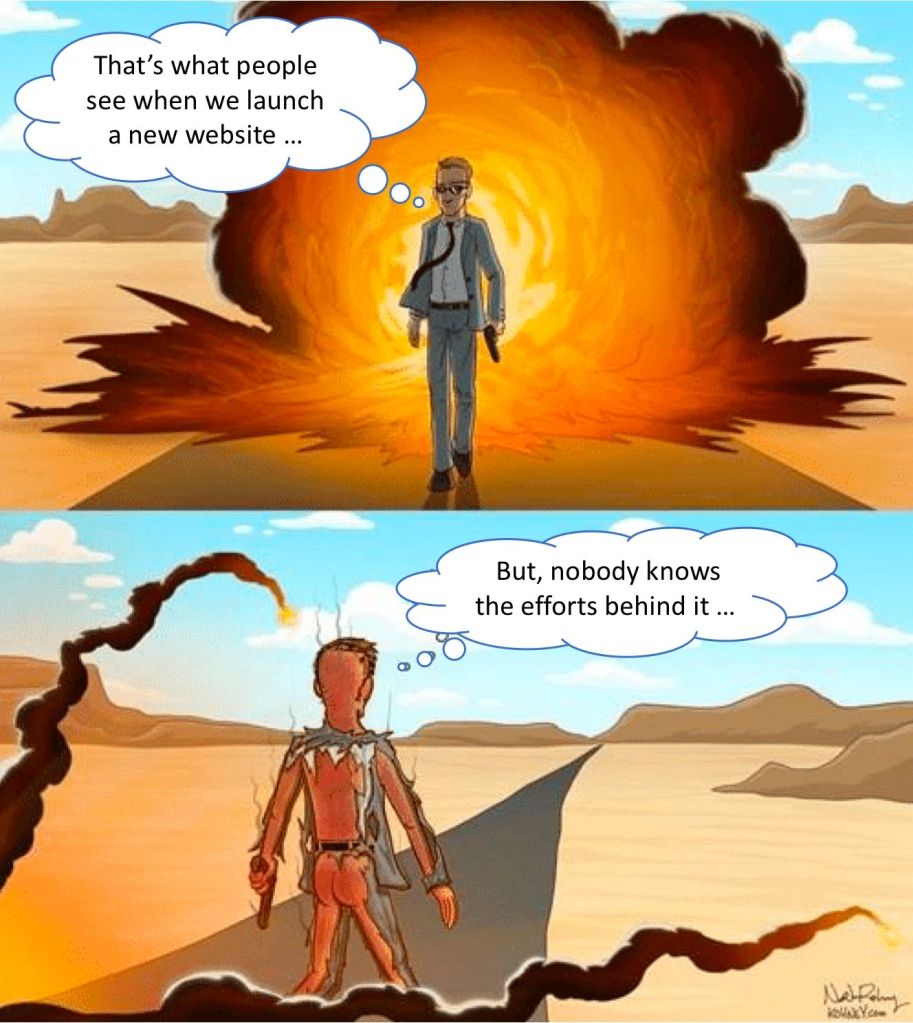
7 years ago, at a launch briefing, I shared this image with the team. Why? Because building a digital product isn’t as glamorous as people think. It’s not all champagne wishes and caviar dreams.

Creating something new, even something as “simple” as a website, takes sweat, tears, and a whole lot of hustle. Think long hours, late nights, and constant pivoting as you navigate user feedback and market trends. There will be setbacks, moments of doubt, and maybe even a few tears along the way.

But despite the challenges, there’s nothing quite like seeing your vision come to life and knowing you’ve created something that solves real problems for real people.

Would I do it all again? š—›š—²š—¹š—¹ š˜†š—²š˜€!

#digitalproduct #productmanagement #nevergiveup

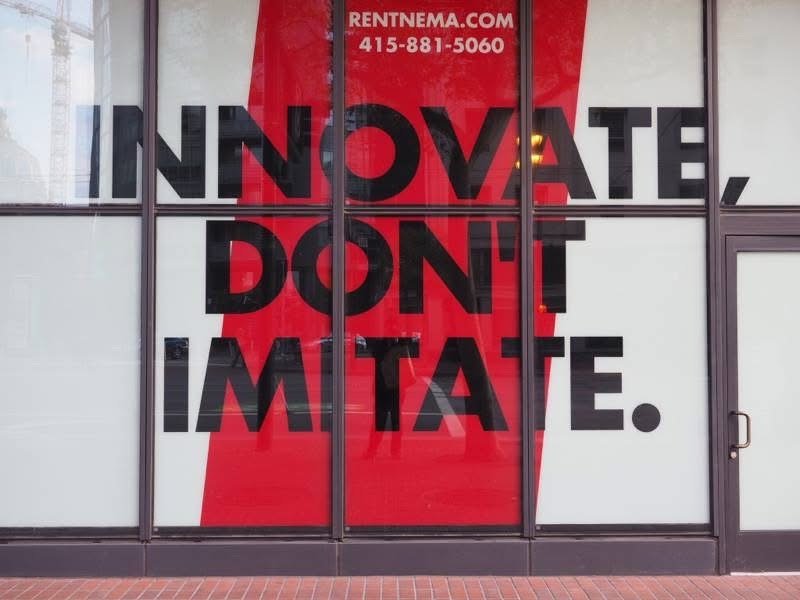
Innovate, Don’t Imitate.

Walking through the San Francisco city many years ago, this storefront caught my eye.  These words, boldly displayed, serve as a powerful reminder in today’s fast-paced business world.  

But what does it truly mean to innovate? It’s more than just adopting the latest technology – it’s about pushing boundaries, reimagining possibilities, and challenging the status quo.

True innovation requires us to ask ourselves tough questions:

Are we maximizing the potential of existing tools?  Are we digging deep enough to uncover hidden functionalities and novel applications? Or are we simply scratching the surface?

Are we challenging the status quo? Are we questioning conventional wisdom and exploring uncharted territory? Or are we content with following the crowd?

Are we creating seamless, intuitive experiences?  Can we make technology so user-friendly that it fades into the background, enhancing our lives without adding complexity?

The question isn’t whether we can make a difference, but whether we will. In a world of constant disruption, innovation is no longer a choice – it’s a necessity. Let’s commit to pushing limits, challenging conventions, and creating truly extraordinary experiences … but not imitating. 

#innovation #Technology #disruption

Start with the End: Why Your First Slide Should Be Your Last

Have you ever been in a presentation that felt like it went nowhere? The speaker starts with a generic title, rambles on for a while, and then throws in a bunch of cluttered agenda slides. You’re left wondering, ā€œWhat’s the point?ā€

This traditional way of presenting often doesn’t grab the audience’s attention or make them want to take action. Why? Because it doesn’t have a clear focus or a compelling call to action from the start.

So what’s the better way to prepare your presentation?

Besides understanding the audiences’ profiles and aims, and researching the topics, I’ll start my slide presentation from the very last slide. Remember, the end goal should always be in mind.

Think of the last slide of the presentation – the one that sums up the main points or tells people what you want them to do – as your guiding light. It should be the first slide you make.

Here’s why:

  • You’ll Know What You Want: Writing your final slide first forces you to figure out exactly what you want your audience to take away from your presentation. What do you want them to remember?
  • You’ll Stay Focused: With a clear goal, every other slide becomes a piece of the puzzle, carefully designed to support your final message. No more unnecessary fluff!
  • You’ll Make a Bigger Impact: By repeating your final slide throughout your presentation, you make sure your audience remembers the key points.

Here’s how to do it:

  1. Figure Out What You Want Them to Do: What action do you want your audience to take?
  2. Make Your Final Slide: Summarize the main points and clearly state your call to action.
  3. Work Backwards: Make the rest of your slides logically lead up to your final slide.

This way, your presentation will be focused, impactful, and drive the results you want. Say goodbye to boring presentations and hello to presentations that make a difference!

#presentationskills #publicspeaking #storytelling #businesstips #startwiththeendinmind

The Power of Continuous Learning: Training Your Brain Like an LLM

“The only way to win is to learn faster than anyone else.” – Eric Ries, The Lean Startup

This quote by Eric Ries has always resonated with me, especially as a seasoned IT professional. In today’s rapidly evolving technological landscape, continuous learning is no longer a luxury; it’s a necessity for staying ahead of the curve.

One powerful approach I’ve recently adopted is to think of my brain as a Large Language Model (LLM). Just like an LLM is trained on vast amounts of data to identify patterns and generate insights, I’ve been focusing on feeding my mind with diverse knowledge and experiences.

Over the past 12 months, I’ve embarked on a focused learning journey, immersing myself in a variety of in-house training courses and also external programs centered on Artificial Intelligence. I firmly believe that to truly grasp the transformative power of AI, we need to explore it from multiple angles. My goal was to develop a holistic understanding of AI, from its strategic implications for businesses to its potential for enhancing productivity and fostering trust.

Here are a few external programs I completed:

šŸ… MIT Sloan – AI: Implications for Business Strategy Program
šŸ… BSI – Shaping Trust in AI – Understanding 42001 Standard
šŸ… ISACA – Auditing Gen AI: Strategy, Analysis & Risk Mitigation
šŸ… IDEO U – AI for Design Thinking
šŸ… Jeff Su Workplace Academy – Gemini for Productivity
šŸ… Deeplearning – Multi AI Agent Systems with CrewAI
šŸ… Deeplearning – Large Multimodal Model Prompting with Gemini

While everyone’s learning journey is unique, I encourage you to embrace the concept of continuous learning and consider how you can “train your brain” like an LLM. By consistently feeding your mind with new information and experiences, you can unlock your full potential and thrive in this era of rapid technological advancement.